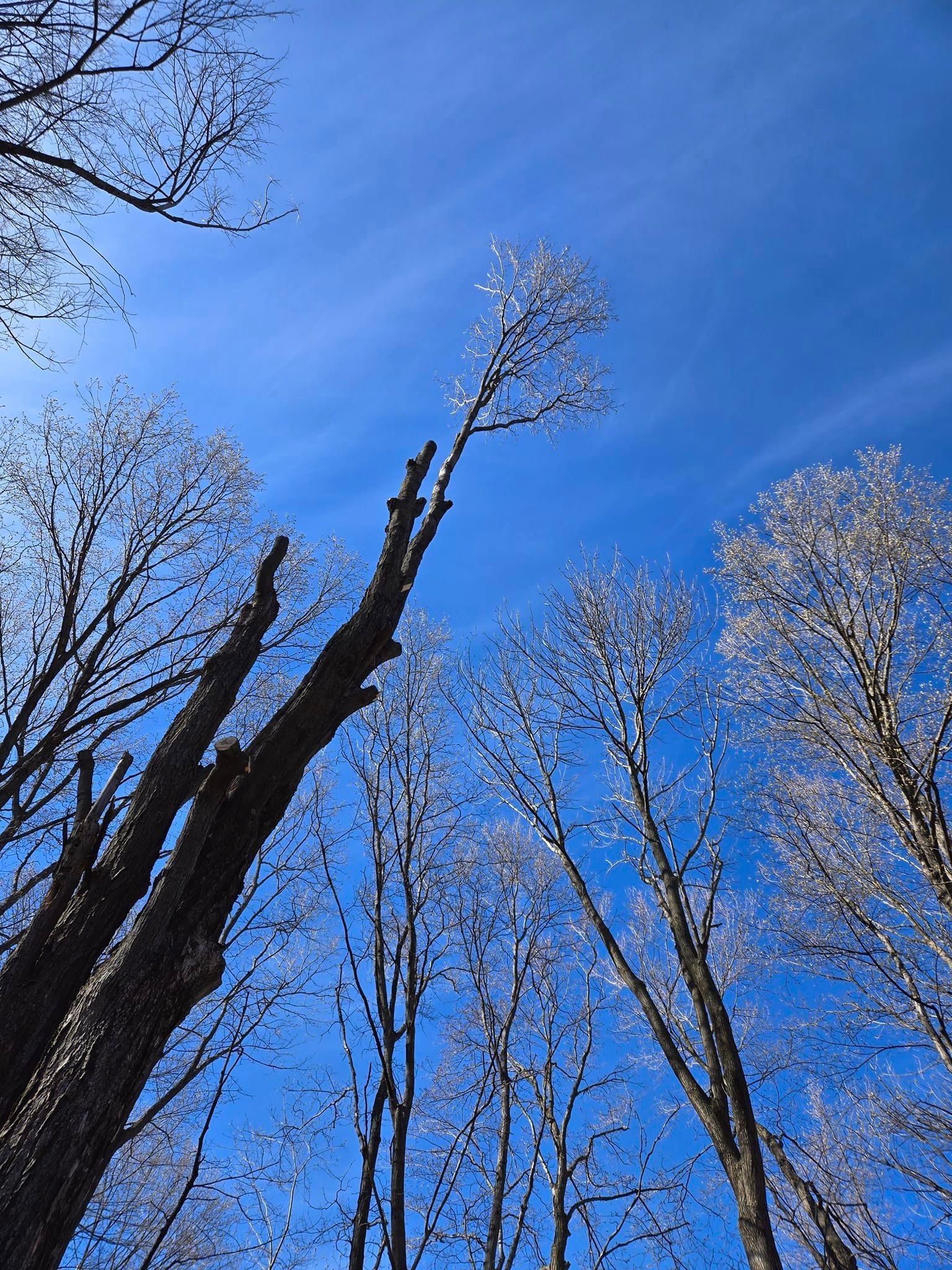
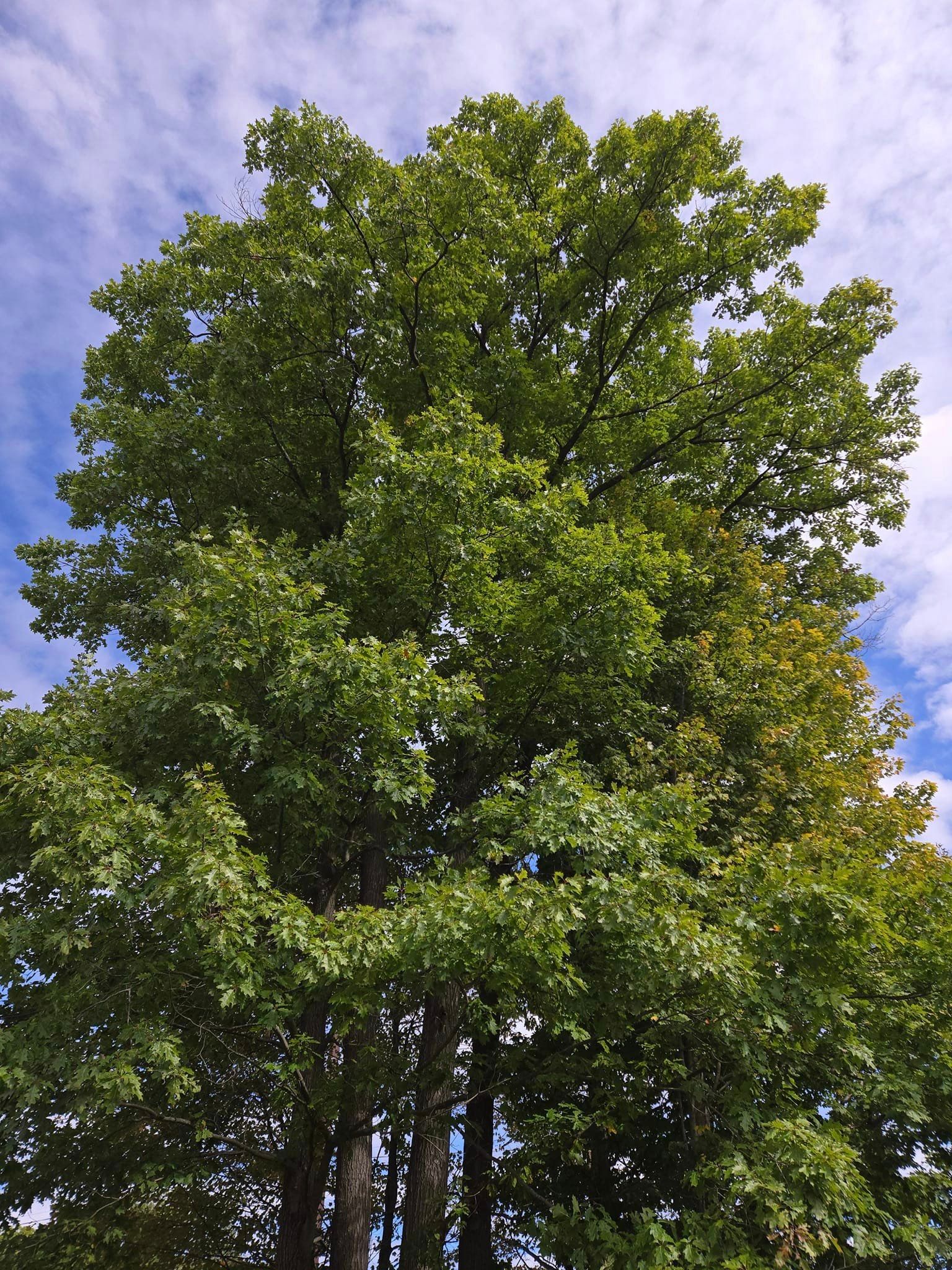
How to Spot Hidden Internal Rot in Mature Trees Before They Fall
A mature tree can look healthy on the outside while decay quietly weakens its trunk inside. Watch for soft or hollow areas, fungal growth, dead branches, cracks, and unusual leaning, because these signs can point to internal rot before the tree becomes a serious falling hazard.
Why Mature Trees Can Hide Serious Problems
Older trees deserve closer attention because internal decay doesn’t always show itself clearly. A thick trunk can still have enough healthy wood on the outside to hide a rotten center.
That’s why a tree may look green and full of leaves while its internal structure is already weakening. In some cases, decay develops after storm damage, broken limbs, wounds, or long-term moisture exposure.
Here, we’ll cover the warning signs you should watch for and explain when it makes sense to call our team for a closer assessment.
Don’t take risks. Work with experts to examine your tree and make the right decision before something terrible happens.
Watch for These Warning Signs
Look Closely at the Trunk
Start by walking around the entire tree. Don’t inspect only the side facing your house.
Look for:
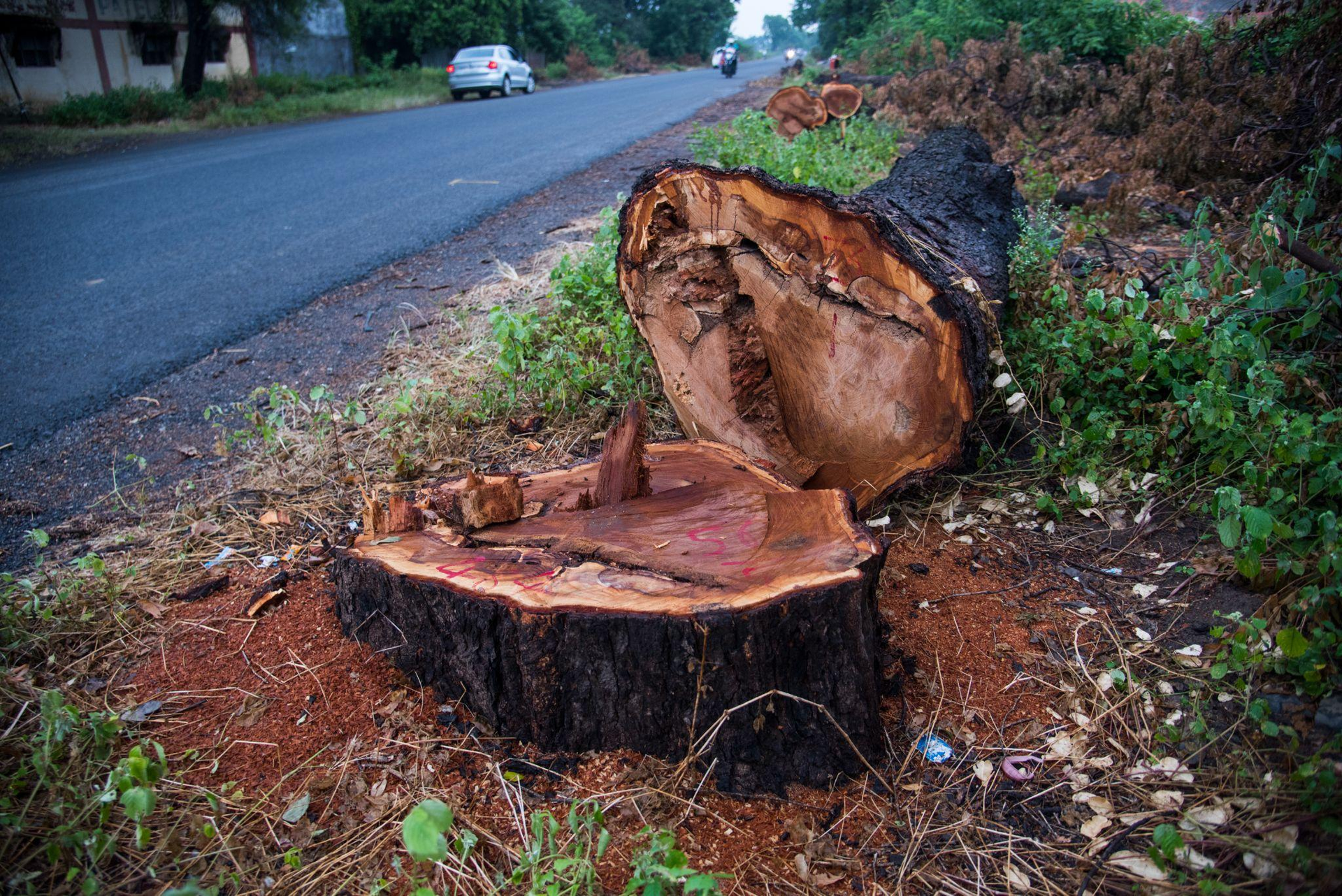
- Deep cracks or cavities in the trunk
- Areas where the bark is missing or damaged
- Soft, sunken, or unusually wet sections
- Fungal growth around the trunk or base
- Dark openings that extend deeper into the wood
- Dead or rapidly declining branches
A cavity deserves special attention. It may mean decay has moved farther into the trunk than you can see.
It can damage the tree from the inside, and you may not notice. Don’t ignore it.
Check the Base and Root Area
The lower trunk can reveal problems that are easy to miss higher up. Mushrooms or other fungal growth near the base may indicate decay in nearby wood or roots.
Watch the ground, too. Raised soil, exposed roots, unusual depressions, or changes around the root flare can sometimes signal structural problems.
Don’t ignore this.
A damaged root system can affect how securely a mature tree stands, especially when strong wind, heavy rain, snow, or ice puts extra pressure on it.
You don’t want it to fall and cause destruction. Timely analysis and the right decision will keep people and property safe around the tree.
Notice Changes After Storms
Has a tree suddenly started leaning after a storm?
That change should get your attention. A tree with hidden decay may tolerate normal conditions for years, then become unstable after high winds or heavy snow add stress to weakened wood.
Listen for Cracking
You may hear cracking, popping, or snapping sounds when a tree moves in strong wind.
Have you noticed it?
Do not stand underneath the canopy to investigate. Keep people and pets away from the area and contact a professional if you suspect the tree has become unstable.
Know When an Inspection Makes Sense
You cannot reliably determine internal rot just by looking at the bark. Some decay stays hidden deep inside the trunk.
A simple visual check can identify warning signs, but you may need a professional assessment if the tree has major cavities, significant lean, extensive deadwood, storm damage, or visible decay.
Remember this: Waiting for a rotten tree to show an obvious problem can leave you with very little warning before failure.
Catch Tree Problems Before They Become Dangerous
Early attention gives property owners more information about what’s happening inside a mature tree. Our team at Albright Enterprises can help identify trees that may need trimming, removal, or further attention based on their condition.
A mature tree near a home, driveway, garage, or walkway can create a serious hazard when hidden decay weakens its structure.
If you notice warning signs, our tree care in Wausau can help you take the next step. Albright Enterprises provides tree trimming, tree removal, stump grinding, and storm damage cleanup for Wausau property owners.
A dependable tree service company in Wausau can help you address problems before they become urgent. Contact Albright Enterprises to discuss a mature tree that concerns you and determine what action your property may need.
Protecting your property starts with paying attention.